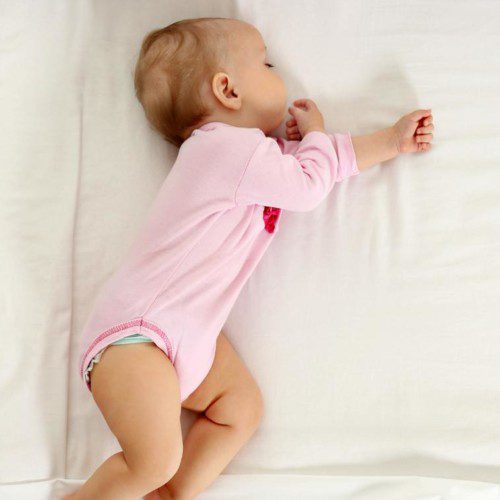
Travelling with a baby or toddler can feel daunting, especially when sleep is involved. After more than ten long haul flights with our two girls, plus countless weekends away and family holidays, I can promise you this: sleep whilst traveling does not need to be perfect to work.
What it does need to be is a safe setup, a few familiar cues, and a willingness to ride the bumps without losing the plot! The rest will sort itself out.
In this guide I will walk you through what I share with the families I support: how to set up a portacot, what is worth packing and preparing for, how to handle the first night, and what to do when things do not go quite to plan. The Babybee ARLO Portacot sits at the centre of this for me, because it ticks every box I look for in a travel sleep space for your little person.
Key Takeaways
- A safe travel sleep space is built on a firm, flat base, mesh sides, and nothing extra in the cot.
- Pack the few sleep cues your baby already knows, not a recreation of the nursery.
- Set the portacot up early so your baby has time to spot it before bedtime.
- The first night away can be unsettled. That does not mean anything has gone wrong.
- A small mantra goes a long way: let it go, and lean into flexibility and patience.
What does a safe baby sleep space look like away from home?
Before you think about routines, think about the surface your baby will sleep on.
A travel cot needs to give you the same safety basics as a cot at home: a firm flat base, full mesh sides, no soft padding, and nothing loose inside it. Those are the non-negotiables.
The Babybee ARLO Portacot is the option I most often point families towards. It has a firm flat base, mesh on all four sides for visibility and airflow, and it sets up quickly, which matters more than people realise when nap time is creeping up and you are still wrestling with luggage!
A few safe sleep reminders for any portacot use:
- Use the included sleep mat. Do not add toppers, foam pads, or anything aftermarket.
- Use a snug fitted sheet made for that cot.
- Don’t add pillows, quilts, toys, and bumpers.
- Place baby on their back at the start of every sleep.
For the full Australian guidance on portable cots, Red Nose Australia’s portacot advice is the place to start. They are the trusted authority on safe sleep in this country and I lean on their guidance.
So, what do you actually need to pack? (And what to leave behind)
You do not need to bring half the nursery! The aim is to pack the few sleep cues your baby already associates with going to sleep, not to recreate their bedroom.
A short travel sleep packing list:
- Their usual sleep bag or sleepsuit (whatever they wear at home)
- Two fitted portacot sheets (one on, one spare for night accidents)
- A waterproof cot protector if you use one
- Nappies, wipes, and a change mat for overnight changes
- Your white noise machine, if you use one at home
- A simple room-darkening solution, particularly if you are crossing time zones
- Any age-appropriate comfort items your baby uses at home, a few of them.
- Whatever you need for bedtime feeds
That is it. Familiarity is the goal, not abundance.
How do you set up a hotel or holiday rental for safe sleep?
Every hotel room and rental is different, so a quick safety scan before the first sleep is worth doing.
Walk in and check:
- Where the portacot will sit. Avoid draughts, direct sunlight, and spots near windows or heaters.
- The room temperature. Aim for the comfortable range you would use at home.
- Anything within reach of the cot: cords, blind pulls, lamp leads, picture frames, hanging décor.
- Whether there is enough clear space around the cot for safe access at night.
- Whether you have a clear, calm path from cot to feeding spot to bathroom.
The Raising Children Network’s guide to safe sleep environments is a great reference for the basics, including the recommended clear space around the cot and keeping cords well out of reach.
If the room is small, simplify. A cluttered sleep space makes bedtime feel harder for everyone. The ARLO is light enough to shift around if your first position is not quite right, which I appreciate after a few hotel rooms with awkward layouts.
A quick tip from someone who has stayed in some interesting accommodation over the years: keep an open mind. Sometimes the best position for the cot is one you did not plan.
What about room temperature and TOG when you’re away?
Temperature is one of those topics that sends parents into a spin when packing for a trip. It does not need to.
The principle is simple: dress your baby for the actual room they are in, not the season on the calendar. Adjust their layers rather than trying to control the room temperature when you cannot.
Practically, that looks like:
- Pack a few different TOG sleep bag options if you are heading somewhere with weather you cannot predict.
- Check the room temperature before you settle them, and adjust their sleepwear accordingly.
- Avoid over-bundling. Overheating is a known risk factor for SIDS and it is more common than parents realise.
- Make sure the sleep bag fits properly, especially around the neck and armholes.
Red Nose Australia’s guidance on safe room temperature for babies covers this in more detail and is worth a read before you pack.
You do not need to buy a whole new travel kit. If your usual sleepwear works at home, it will work away too. Consistency is more useful than novelty.
How do you transfer a sleeping baby into a portacot?
This is one of the most common travel questions I get from families, and I get it. With two girls of my own I have done plenty of stealth transfers in plenty of hotel rooms.
Will it work? Honestly, sometimes yes and sometimes no. It depends a lot on your baby’s temperament, their age, where they fell asleep, and how much sleep pressure has built up. There is no harm in trying, and you will often find certain times of day work better than others.
If you are going to attempt the transfer, set up first:
- Get the room ready before you walk in with your sleeping baby
- Turn on the white noise if you use it
- Dim the lights or pull blinds
- Move slowly, take a few deep breaths, lower with calm conviction!
- Pause with a hand on them before you let go
- Resist the urge to start fixing sleepwear or sheets
The mesh sides on the ARLO help here too. You can see your baby clearly from any angle, which makes it easier to stay close and offer a gentle hand if they stir.
If it does not work? That is okay. Travel days call for lower expectations on every front. Extending the nap in the pram or carrier is a perfectly good plan B. Save your energy for the night ahead.
Why is the first night often the hardest? (And what helps)
The first night in a new place can be bumpy. New room, new smells, new sounds, new shadows on the wall. Your baby is taking it all in, and some babies (and some adults, frankly) take longer to relax into change than others.
This does not mean anything has gone wrong. It means your baby is doing exactly what babies do when they land somewhere new.
What helps on that first night:
- Run your usual bedtime routine. Same order, same cues, same rituals.
- Allow it to take a bit longer. Do not rush it.
- Keep stimulation low for the hour before bed.
- Stay calm if they unsettle. Calm conviction sends a clear message.
- Offer a touch more support than usual if they need it. You can taper that back across the trip.
This is the same principle that runs through all of my sleep work: know your baby, support them through change, and build healthy sleep foundations in a calm, responsive way. Travel is just another moment to apply it. Finding that balance and what works for you is what it’s all about.
Travel sleep checklist: a quick reference
Before you leave:
- Pack the portacot, fitted sheets, and a spare waterproof cot sheet
- Bring your baby’s usual sleepwear and sleep bag
- Pack white noise and a simple room-darkening option
- Bring spares for the inevitable spills
- Hold the routine in mind, not perfection
When you arrive:
- Set up the portacot early
- Do a safety scan of the room
- Keep the sleep space clear and simple
- Let your baby see and explore the room before bedtime
- Try a nap in the cot if you can. If not, a pram or carrier nap works fine.
At bedtime:
- Allow it to take longer than at home
- Run your usual routine
- Place baby on their back
- Try and stay calm. Children pick up on our emotions!
- Offer a little more support if needed, but try not to go all in with this as this can make it more challenging to come back from.
If the night is bumpy:
- Tomorrow is a new day
- Stay consistent with the routine
- Lower your own pressure and expectations
- One tricky night does not define the trip
What I want you to remember
Travel sleep is not about creating something perfect. It is about making sleep feel safe, familiar, and manageable in a place that is not home.
That is why the Babybee ARLO Portacot is the travel cot I recommend. It is quick to set up, easy to move, and built around the safety basics I want every family to prioritise when their baby is sleeping somewhere new.
And if your trip does not go to plan? Your baby has their own unique temperament. Some babies just take longer to settle in new spaces. You can always reset when you get home, and one rough trip will not necessarily undo those sleep foundations.
If you would like personalised support before a trip, or help getting back on track when you are home, my Australia-wide phone and virtual consultations are available wherever you are.
Frequently Asked Questions
How do I try to maintain consistency during travel?
Firstly, I suggest trying to keep your little person in the same sleep environment that they are used to sleeping in at home, i.e. a safe cot. Sometimes you may not have an option when it comes to room sharing and that’s ok.. By keeping them in the same sleep space it will send those clear messages about where they sleep and be familiar to them. When it comes to settling your baby or toddler, try and keep your approach consistent and not change things up too much! Try to think of it as “scaffolding” – sometimes a bit of experimentation is required and a little more hands-on support may be required but ultimately think about what you are prepared to do when you get back home.
Can I use a hotel cot instead of bringing my own portacot?
You can, but I would always check the cot before you use it. Hotel cots vary widely in age, condition, and safety. Look at the mattress firmness, the fit of any sheet, and whether there are any loose or worn parts. If anything feels off, ask for an alternative or use your own. A familiar travel cot like the ARLO removes the guesswork and gives you a consistent setup wherever you go. You can also practice with it ahead of travel, ie. set it up at home and get your child familiar with it.
How long does it take for sleep to settle after a trip?
Most babies need a few days to a week to settle back into their usual sleep rhythm at home, depending on the length of the trip and how much travel was involved. Jet lag is another story entirely! If you haven’t crossed time zones, try and get straight back into your normal bedtime routine on the first night home, hold your usual wake and nap times, and resist the urge to add new habits while you reset. If you are still off track after ten days or so, that is the point at which a quick consultation can save you a lot of guesswork.
Next Steps
- Read my full review of the Babybee ARLO Portacot for more on why it works for travel.
- Have a look at my packages if you would like personalised support before a trip or help reset sleep on your return.
- Bookmark Red Nose Australia’s safe sleep advice for the trusted, evidence-based foundation behind everything I recommend.